Unlocking Die Casting Performance with a Holistic Approach
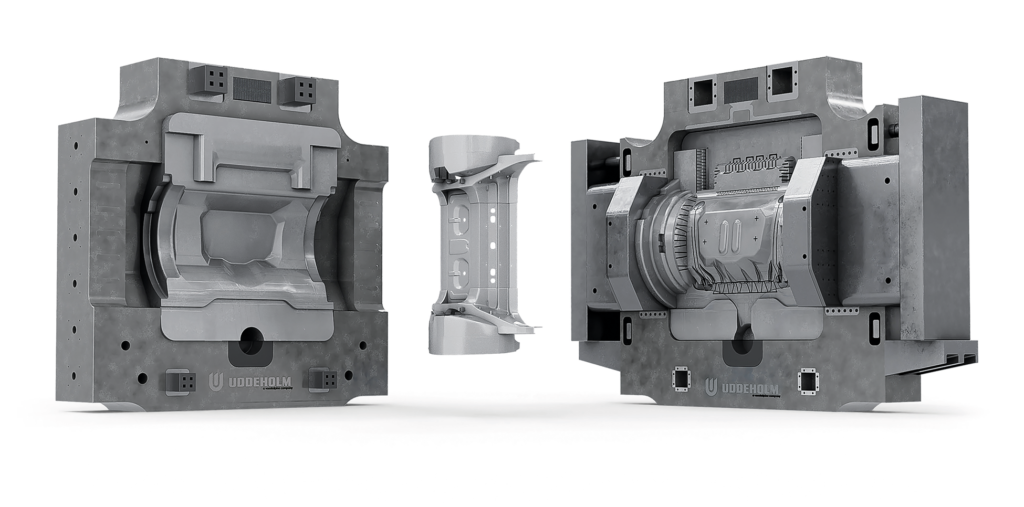
If you speak with most die casting teams, the challenges are familiar:
tool life is unpredictable, scrap rates creep up, and maintenance never really goes down.
The usual response is to fix individual issues — switch steel grades, apply new coatings, adjust heat treatment.
These actions are logical. But the overall improvement often remains limited.
Why?
Die performance is never driven by just one factor.
Material, heat treatment, surface condition, cooling, and shop-floor usage all interact.
When these elements are handled separately, even strong individual solutions don’t fully deliver.
A Smarter Way Forward
A Holistic Die Approach looks at the entire die lifecycle as one connected system—from material selection through to repair and reuse.
It’s not about adding complexity.
It’s about making everything work together.
Where Performance Is Really Defined
To truly improve die life, you need to look deeper—at how each process contributes and how they interact.
Material: The Foundation Under Stress
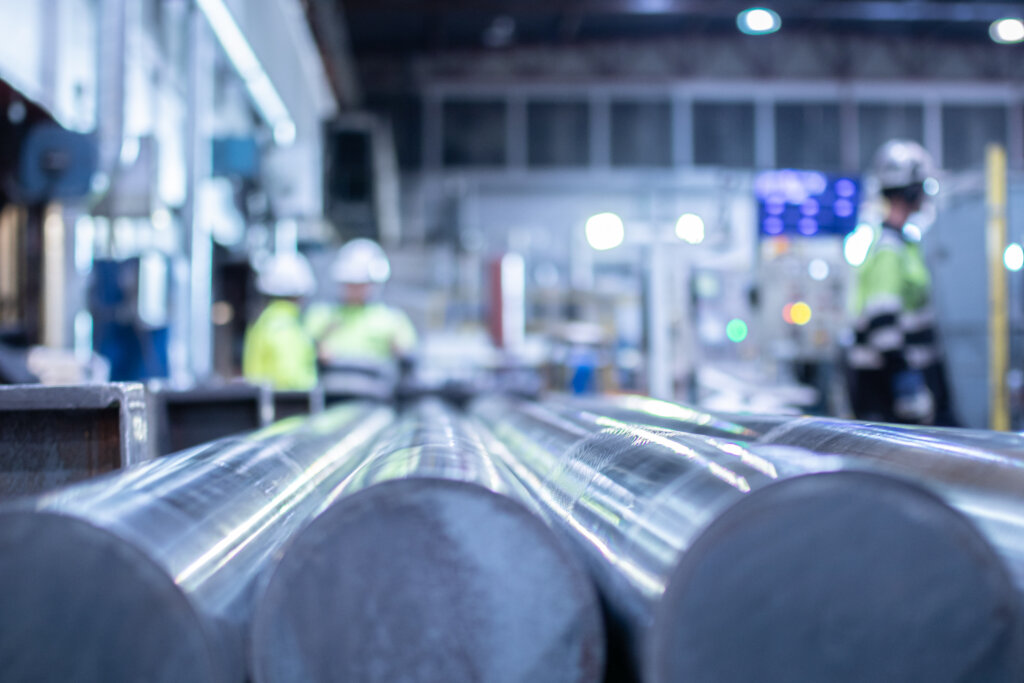
The base steel determines resistance to fatigue, cracking, and thermal cycling.
Strong performance starts here—when its full potential is properly supported by the rest of the process.
Heat Treatment: Unlocking or Limiting Performance
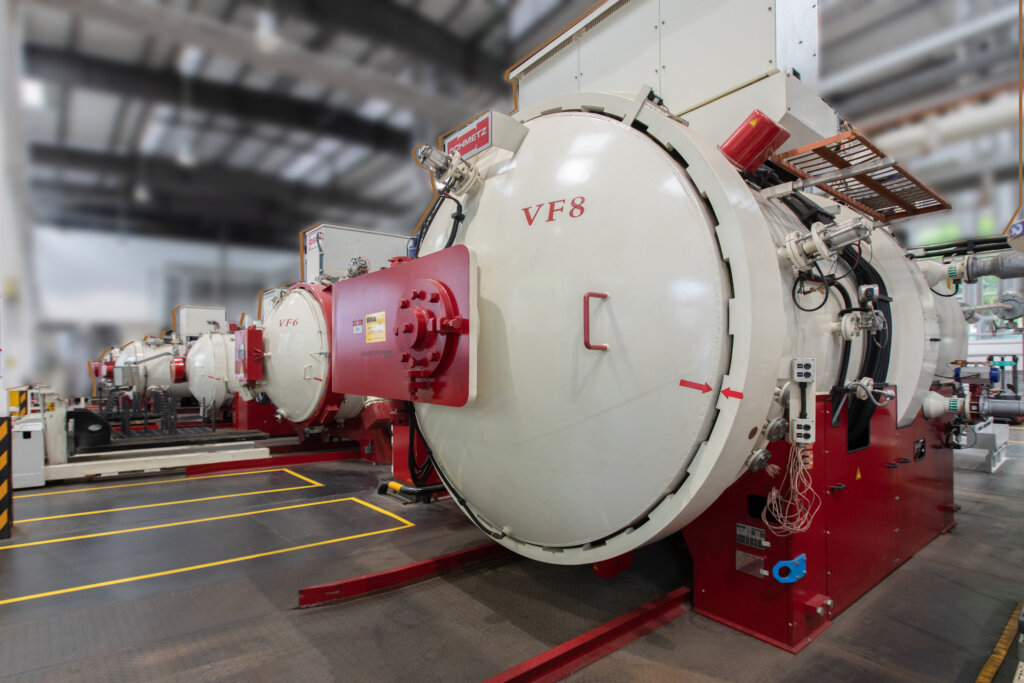
Heat treatment defines hardness, toughness, and internal stress.
Even small variations can significantly affect how the die performs under cyclic loading and temperature changes.
Misalignment often leads to:
- Early crack initiation
- Reduced resistance to thermal shock
- Inconsistent tool performance
Surface Coating: Where Failure Often Begins
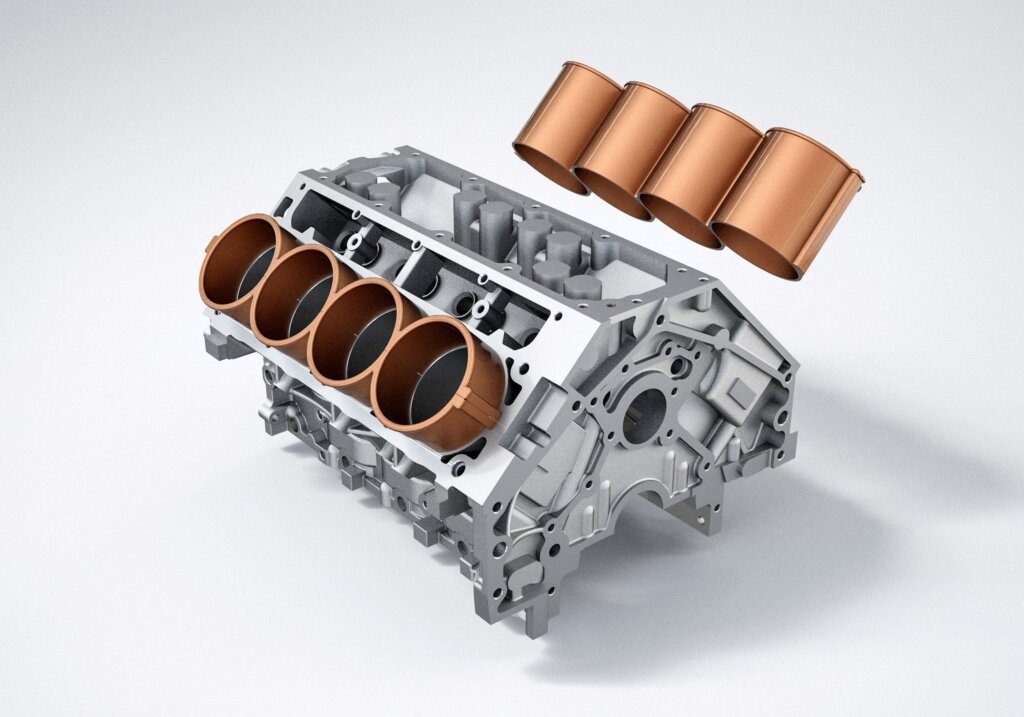
The die surface is exposed to extreme heat and wear.
To perform reliably, coatings must:
- Maintain strong adhesion during thermal cycling
- Resist erosion, soldering, and washout
- Perform consistently over repeated cycles
Without the right substrate and preparation, even advanced coatings will fail prematurely.
Cooling & Thermal Management: The Hidden Driver
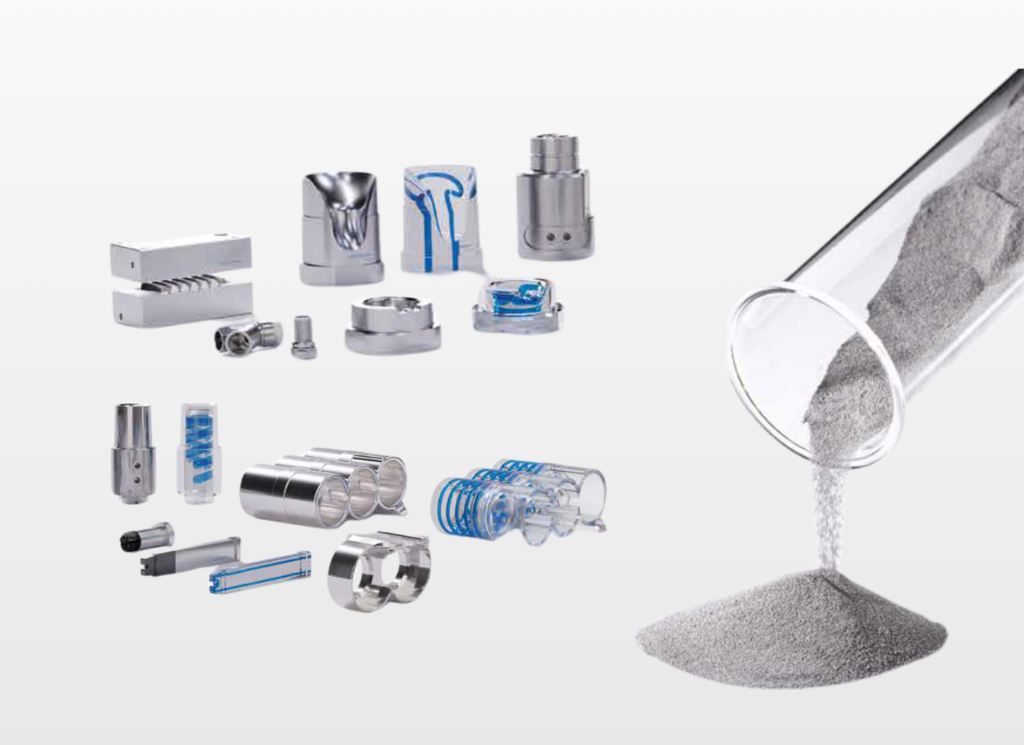
Cooling does more than regulate temperature—it controls how stress builds and accumulates.
Poor thermal management leads to:
- Local hotspots
- Accelerated thermal fatigue
- High internal stress gradients
Well-designed cooling stabilises performance by managing heat flow throughout each cycle.
Sustainability Meets Performance
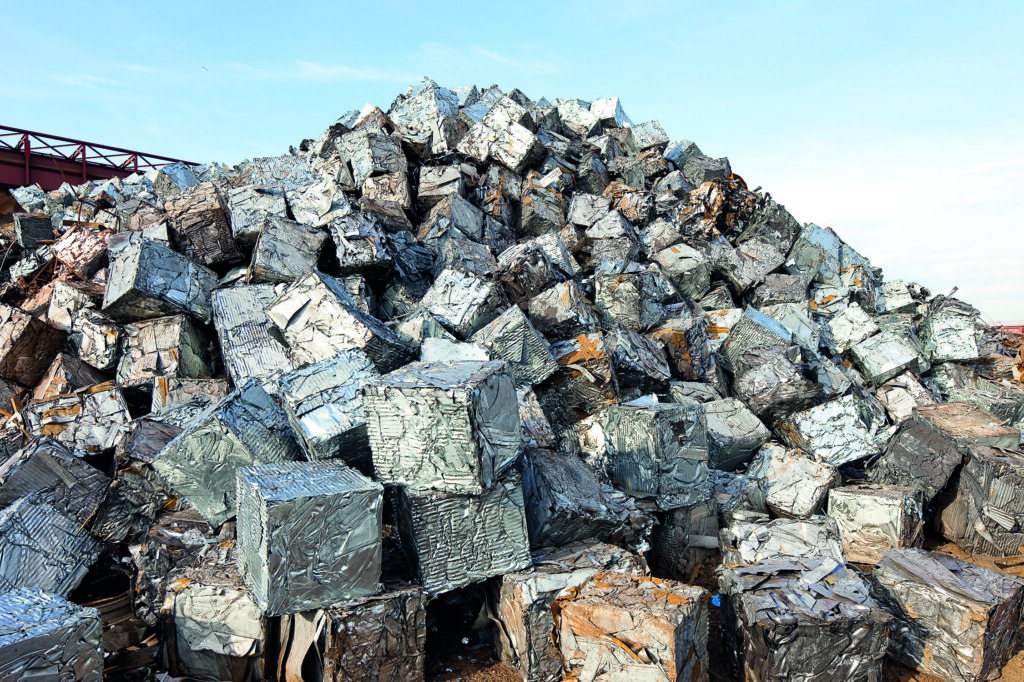
A Holistic Die Approach doesn’t just improve performance—it also supports sustainability. By optimising the entire lifecycle, you achieve:
- Higher efficiency (OEE)
- Lower total cost (TCO)
- Reduced environmental impact
Supported by a closed-loop approach that drives:
♻️ Material reuse
♻️ Resource efficiency
♻️ Reduced waste
The result: better performance, lower cost, and more sustainable operations.
Where Real Improvements Come From
When these elements are aligned as one system, performance changes:
- Longer, more predictable tool life
- Fewer unexpected failures
- More stable, repeatable production
- Lower total cost over time
It also changes what you expect from your supplier – not just products, but real support across the entire die lifecycle.
This is the value of a Holistic Die Approach.